

Susquehanna River Fishing for Smallmouth Bass: A Beginner's Guide
Feel Every Fight on the River
Learn light-tackle bass fishing with Captain Cole out of Hummels Wharf.
Published:
Updated:
The Susquehanna River runs through Pennsylvania and holds one of the more rewarding bass fisheries an angler can learn on. If you have only fished ponds or lakes, a river asks for a slightly different mindset. This guide covers the basics of Susquehanna River fishing for smallmouth bass, written for people who are newer to the sport and want a clear starting point.
Captain Cole Hauck of Cole's Catch guides light-tackle river bass trips out of Hummels Wharf, so the advice here follows the same simple approach he uses on the water. Nothing in it needs fancy equipment or years of experience. It needs patience, a willingness to pay attention, and a feel for how moving water behaves.
Why Smallmouth Bass Are a Good Fish to Learn On
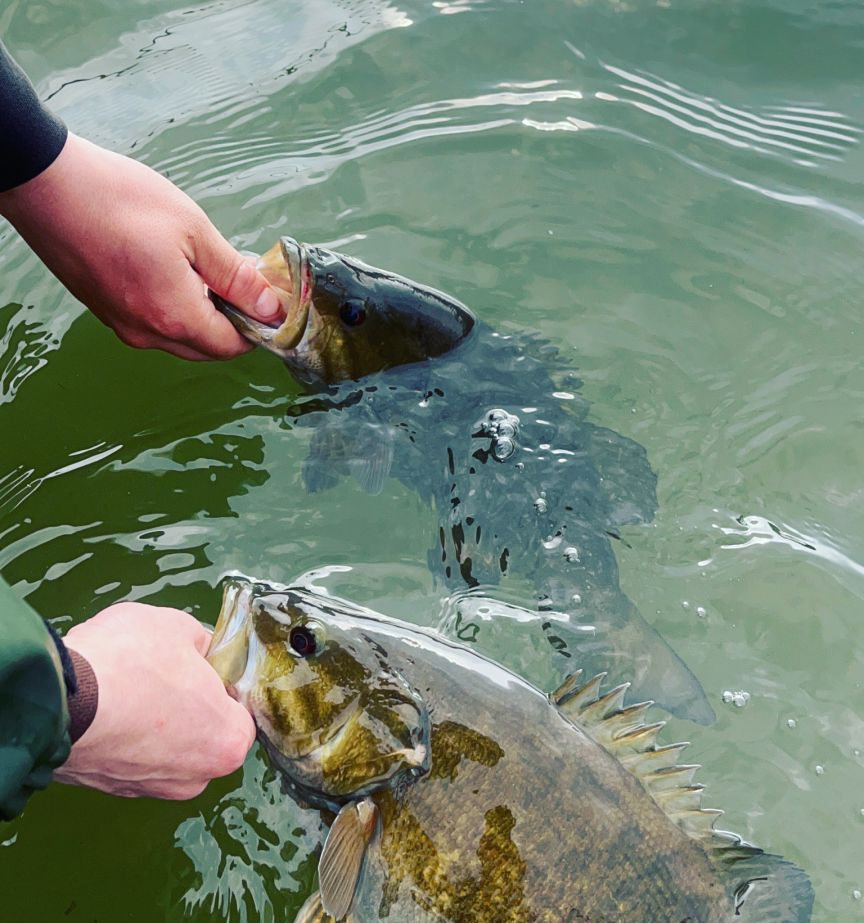
Smallmouth bass have a reputation as hard fighters, and that reputation is a big part of why beginners enjoy them. A hooked bass runs, pulls and changes direction, which makes even a modest fish feel exciting on light gear. You get plenty of feedback through the rod, and that feedback teaches you a lot about what the fish is doing.
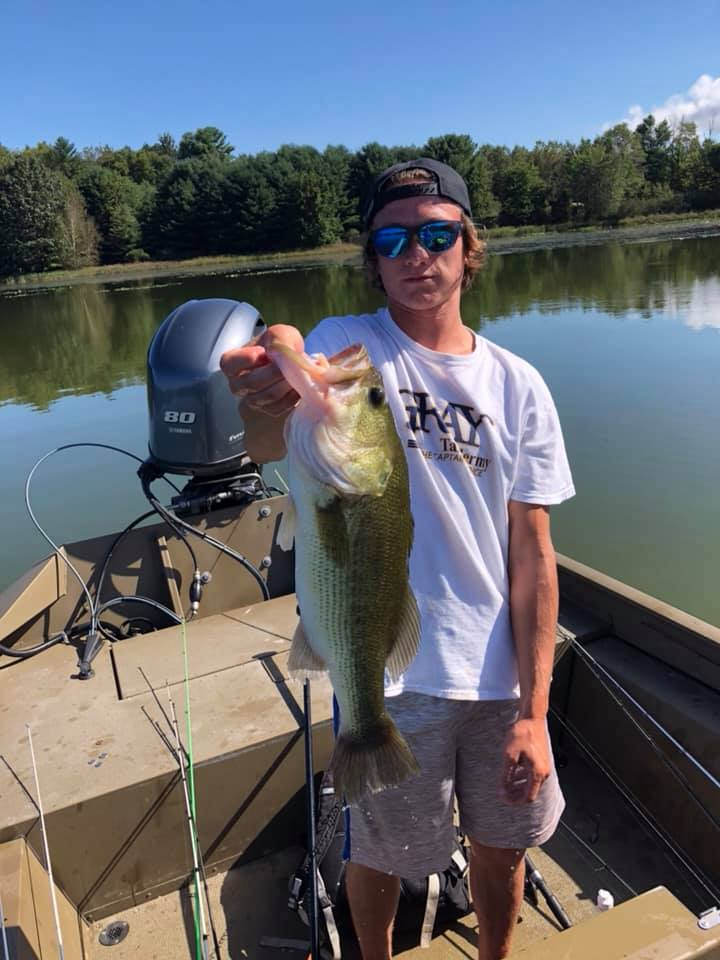
The Susquehanna is known for a diverse fishery, with smallmouth bass among the prized catches. Depending on the season, there is also a chance at larger fish. For a newer angler, that mix of steady action and the occasional big surprise keeps each trip interesting from the first cast to the last.
How River Fishing Differs From Lake Fishing
On a lake, the water is mostly still. You cast to a spot, and the lure sits or moves only because you move it. Fish tend to hold around structure, and you can often work an area slowly and thoroughly. A river is a different puzzle because the water itself is always moving.
Current changes everything about how a lure behaves. Your bait drifts, swings and speeds up in ways it never would in a pond. That means you have to think about where the current is strong, where it slows down, and where a fish can rest without fighting the flow. Bass in moving water often sit in calmer pockets and watch for food to drift by, so reading those pockets is half the skill.
Here are the main differences to keep in mind as a beginner:
- Moving water carries your lure, so you cast and let the current help present it.
- Fish hold in slower spots beside faster water rather than spreading out evenly.
- Your position matters more, because the river keeps pushing you and your line downstream.
- Conditions can shift with the river level and the season, so what worked last time may need adjusting.
The Basic Approach: Spinning With Light Tackle
The simplest way into river bass fishing is a spinning outfit with light tackle. A spinning reel is forgiving, easy to cast and easy to learn in an afternoon. Light gear lets you feel small bites and makes the fight more lively, which suits smallmouth well.
This is also the style Captain Cole teaches on his Pennsylvania river trips. Light-tackle spinning lets a beginner focus on the fundamentals instead of wrestling with heavy equipment. You cast, you feel the lure move, and you learn to tell the difference between the current tugging and a fish taking hold.
A good first routine looks like this:
- Cast across or slightly upstream of a spot you want to fish.
- Let the lure travel naturally with the current while you keep light tension on the line.
- Watch for any change in how the line sits or moves, since that can be a bite.
- Set the hook with a firm lift of the rod, then keep steady pressure as the fish runs.
Do not worry about doing it perfectly. Missed bites are part of learning, and every one teaches you something about timing and feel.
Reading the River
Learning to read water is the skill that separates frustrating days from good ones. Look for places where the surface changes. Seams, where fast and slow water meet, are natural spots for a bass to wait. So are the calmer areas behind rocks and along the edges of the current.
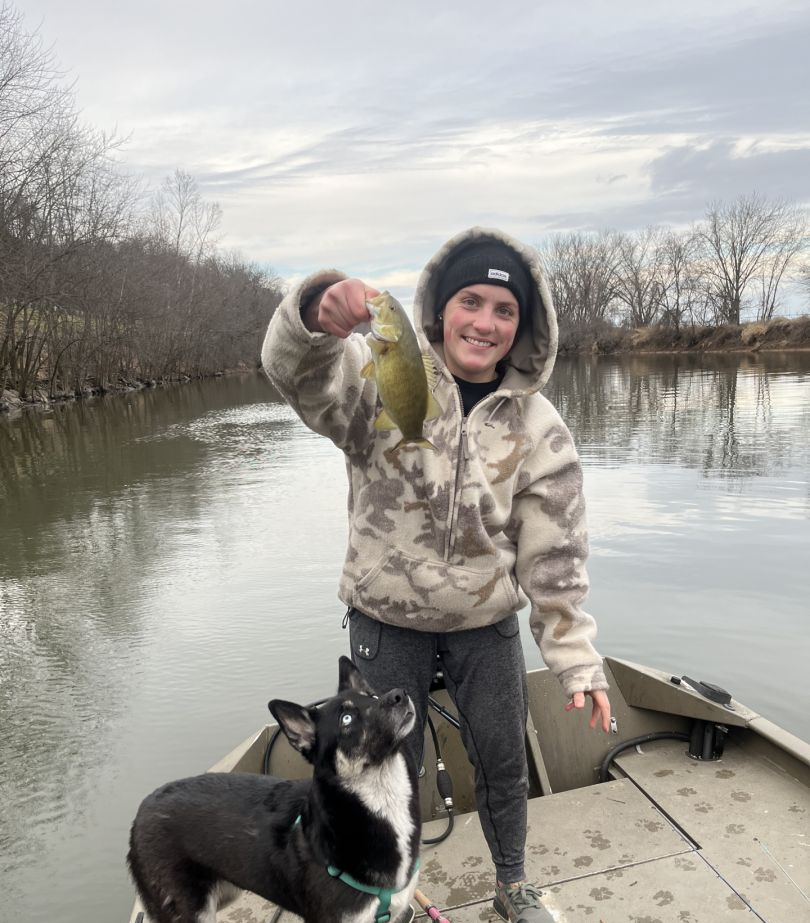
You do not need to memorize a long list of rules. Start by noticing where the water moves differently and cast near those changes. Over a few trips you begin to see the river as a map of places a fish might want to be, and your confidence grows quickly from there.
This is where a guide makes the biggest difference. Someone who spends their time on this stretch of the Susquehanna already knows how the water behaves and can point out spots you would otherwise paddle right past. Watching where Captain Cole puts a cast, and why, can save you a lot of trial and error.
Getting Started With a Guided Trip
If you want to learn on the water instead of from a screen, a guided outing is the fastest route. Cole's Catch runs light-tackle river bass trips out of Hummels Wharf, set up for anglers who want to build their skills and feel the excitement of hooking a hard-fighting bass. Newer anglers are exactly who this kind of trip suits, since the focus is on learning the basics while you fish.
Pennsylvania fishing rewards anyone willing to spend time on the water and pay attention. Start with light spinning gear, learn how current moves your lure, and look for the calm spots beside fast water. Do that, and the Susquehanna will start making sense, one cast at a time.
